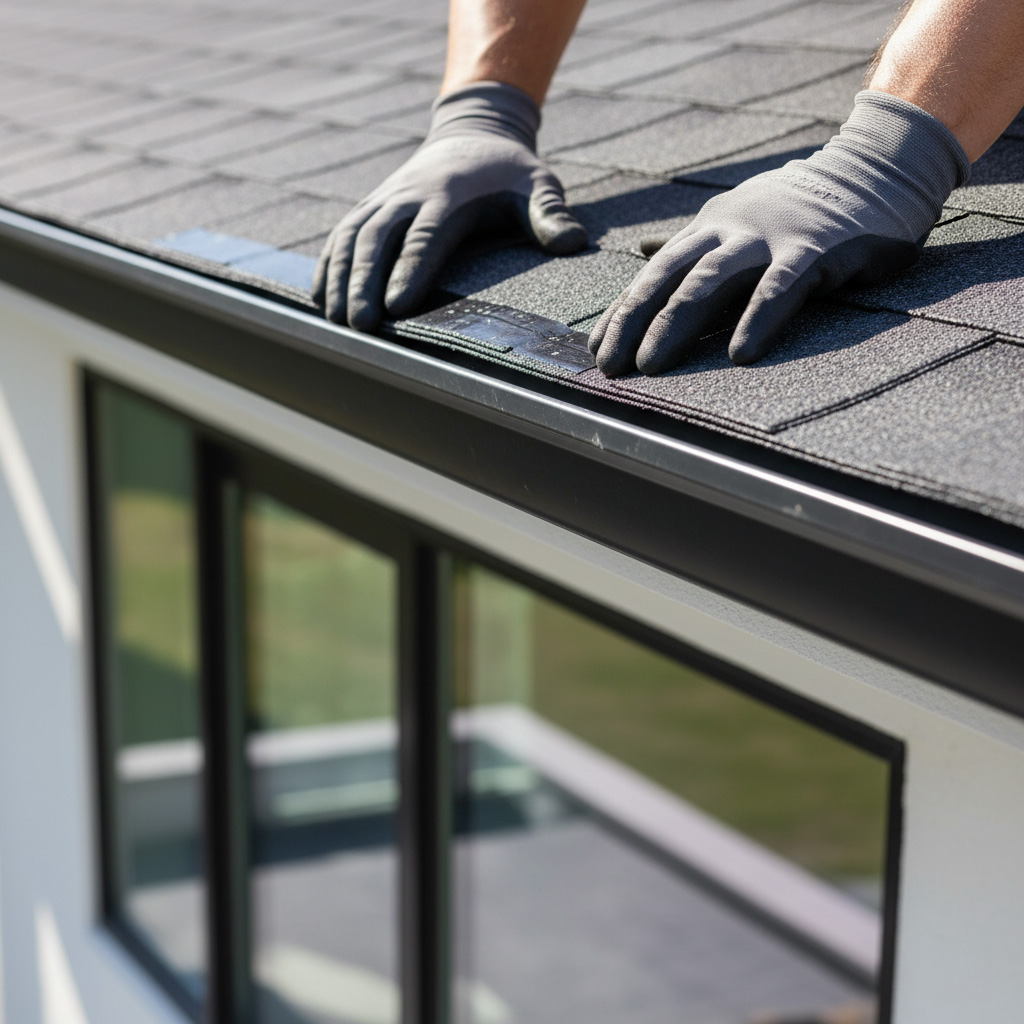


⚡ TL;DR: This guide offers roof ventilation installation tips for Mesa homes, including hacks to enhance airflow, diagnose issues, and cut cooling costs during hot summers.
📋 What You’ll Learn
In this guide to roof ventilation hacks for cooler Mesa homes, you’ll uncover why it’s vital, diagnostic tips, proven hacks, installation choices, and real results for Arizona’s brutal summers.
- Understand ventilation’s role in Mesa’s heat by seeing how it fights attic overheating, moisture damage, shingle wear, and skyrocketing AC costs in scorching Arizona conditions.
- Diagnose poor ventilation early through signs like hot attics, curling shingles, high energy bills, and mold risks to prevent costly repairs in your Mesa home.
- Master top hacks for better airflow including vent types, placement strategies, and tweaks that cut cooling bills while boosting comfort without full roof replacements.
- Weigh DIY vs. pro installation with step-by-step guides, safety tips, common pitfalls, and when Mesa experts ensure durable soffit and ridge vents in extreme heat.
📖 Reading time: 7 min
✍️ Author expertise: Mesa roofing pro with 20+ years installing vents from real AZ field experience.
Ever step into your Mesa attic during summer and feel like you've walked into a blast furnace? That scorching heat isn't just uncomfortable—it's jacking up your AC bills and shortening your roof's life.
Good news: smart roof ventilation can slash those temps by up to 30 degrees, keeping your home cooler without breaking the bank.
Discover the simplest hacks to install and upgrade your ventilation system right here in the desert heat of Mesa.
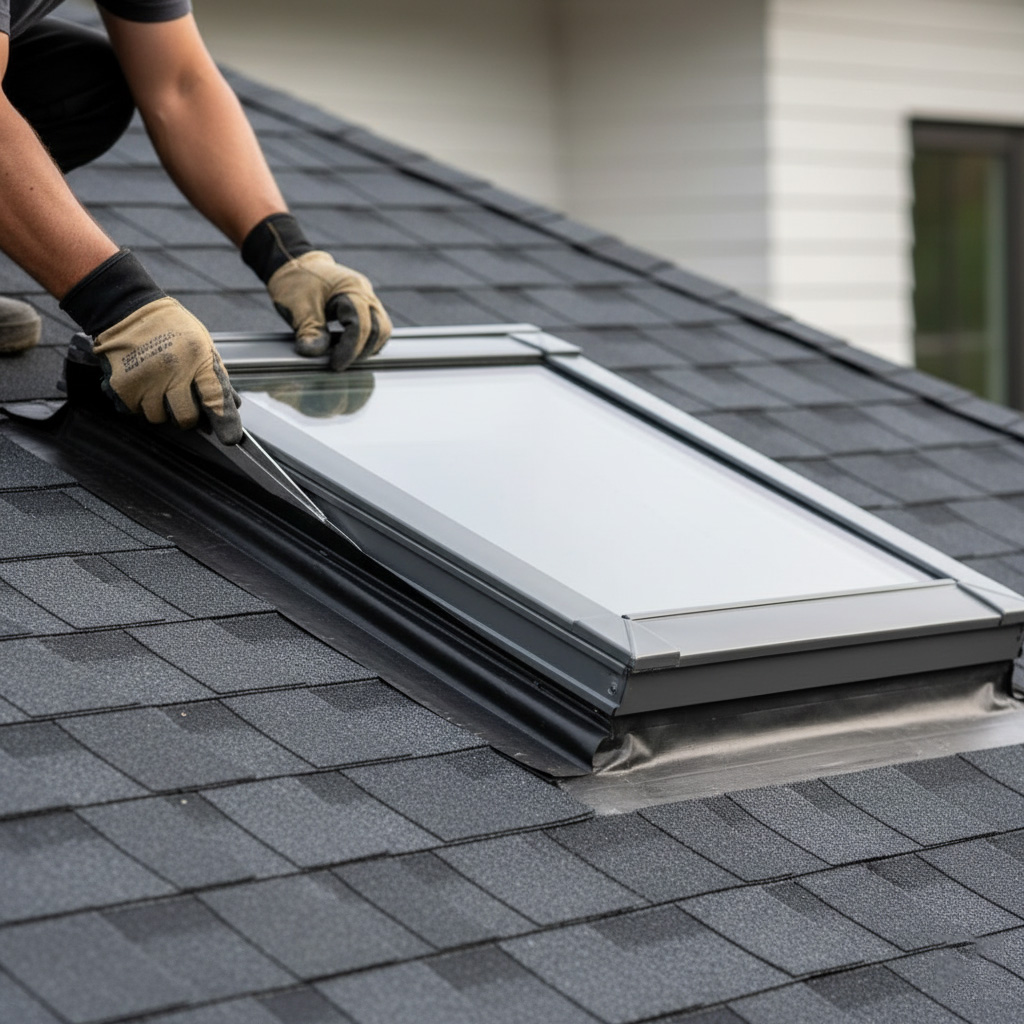
Why Roof Ventilation is Essential for Mesa's Scorching Summers
Mesa summers hit like a freight train. Temperatures climb past 110°F, turning attics into ovens. Without proper roof ventilation, that trapped heat seeps into your living space, forcing your AC to work overtime.
Picture this: hot air rises, but it has nowhere to go. Your roof deck bakes, shingles warp, and energy bills skyrocket. Poor airflow shortens your roof's life by years and spikes moisture problems like mold.
Key Dangers of Skipping Ventilation
- Exploding cooling costs: Up to 30% higher AC bills from heat buildup.
- Premature roof failure: Wood rot and shingle damage from constant high temps.
- Health risks: Stale, humid air breeds allergens and discomfort indoors.
Good news? Smart ventilation pulls that superheated air out fast. It keeps your home cooler naturally and saves you cash long-term.
Diagnosing Poor Ventilation in Your Mesa Home
Mesa summers hit hard. Your roof turns into an oven, trapping heat that seeps into every room. Spot the trouble early to dodge skyrocketing AC bills.
Check These Dead Giveaway Signs
- Attic hotter than outside: Grab a thermometer. If it's 20-30 degrees warmer up there, ventilation sucks.
- Shingles buckling or curling: Heat buildup warps them fast in our desert sun.
- Mold or mildew spots: Stale, moist air breeds it without fresh flow.
Walk your attic on a scorching day. Feel the air stagnation? That's your clue. High energy bills despite a tuned-up AC? Poor roof vents are likely the thief.
Peek at your roof edges. Blocked soffits or missing ridge vents scream neglect. Test with incense smoke: no steady pull means zero airflow.
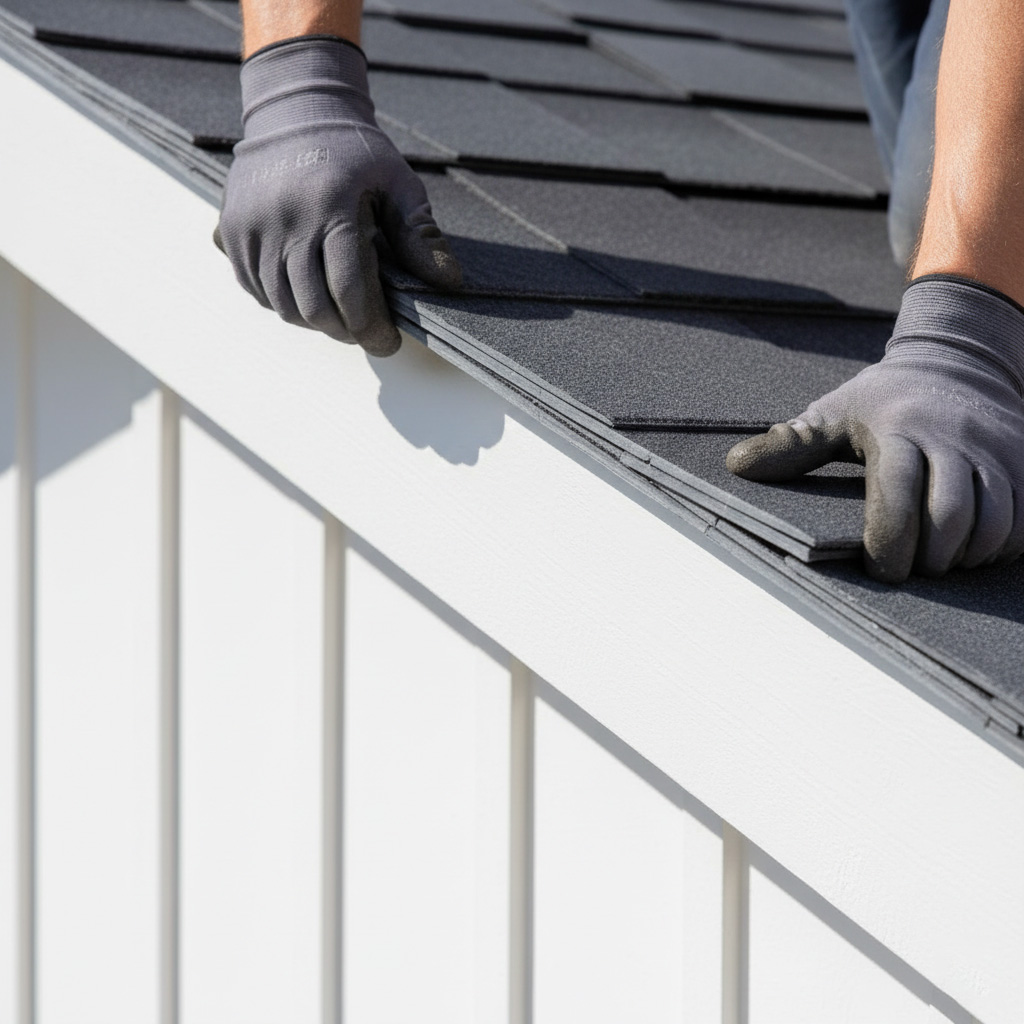
Top 5 Roof Ventilation Hacks to Boost Airflow and Cut Cooling Costs
Ready to turn your Mesa attic from a sweatbox into a breeze? These five proven hacks pull hot air out fast and draw cool air in. You'll see lower AC bills and a happier roof.
Pick one or stack them for max impact. Let's dive in.
- Add ridge vents along your roof peak. They create a continuous exhaust path for trapped heat to escape. In Mesa's 110-degree days, this simple cut drops attic temps by 20 degrees or more.
- Install soffit vents under the eaves. These intake vents pull fresh, cooler air from outside right where it's needed. Pair them with ridge vents for natural convection that runs 24/7, no power required.
- Mount a solar-powered attic fan. It spins up automatically in the sun, sucking out superheated air like a vacuum. Zero electric bills, and it pays for itself in one brutal Arizona summer.
- Upgrade to baffled rafter vents. Slip these plastic channels behind your insulation to stop blockages and force air up to the ridge. Cheap fix that keeps your current setup breathing freely.
- Seal roof leaks and gaps first. Use foam sealant on penetrations and flashing. Poor seals trap humid air, breeding mold—fix this before vents to multiply their cooling power.
Each hack targets Mesa's dry scorchers head-on. Start small, measure the difference with a cheap attic thermometer.
DIY vs. Professional Roof Ventilation Installation: What Mesa Homeowners Need to Know
Thinking about grabbing a ladder and tackling roof vents yourself? It might seem like a quick money-saver. But in Mesa's brutal sun, one wrong cut can turn your roof into a leaky sieve.
DIY Temptations and Traps
- Saves cash upfront: No labor fees, just materials from the hardware store.
- Hands-on control: You pick the schedule and style.
- Risky business: Sloppy seals invite monsoon floods. Plus, climbing scorching roofs spikes injury odds.
Most DIY jobs fail fast here. Poor airflow means your attic stays a hotbox, AC runs overtime, and shingles bake prematurely.
Why Pros Crush It Every Time
Hire a Mesa roofing crew? You get precision installs built for desert extremes. They spot hidden issues like rot or bad decking before vents go in.
- Code-compliant work: Arizona regs demand it, avoiding fines or insurance headaches.
- Warranties that stick: 10-20 years on labor and materials.
- Real savings: Cut energy bills 20-40% long-term, payback in 2 years flat.
Bottom line? DIY for light bulbs. Vents? Call the experts and sleep easy.
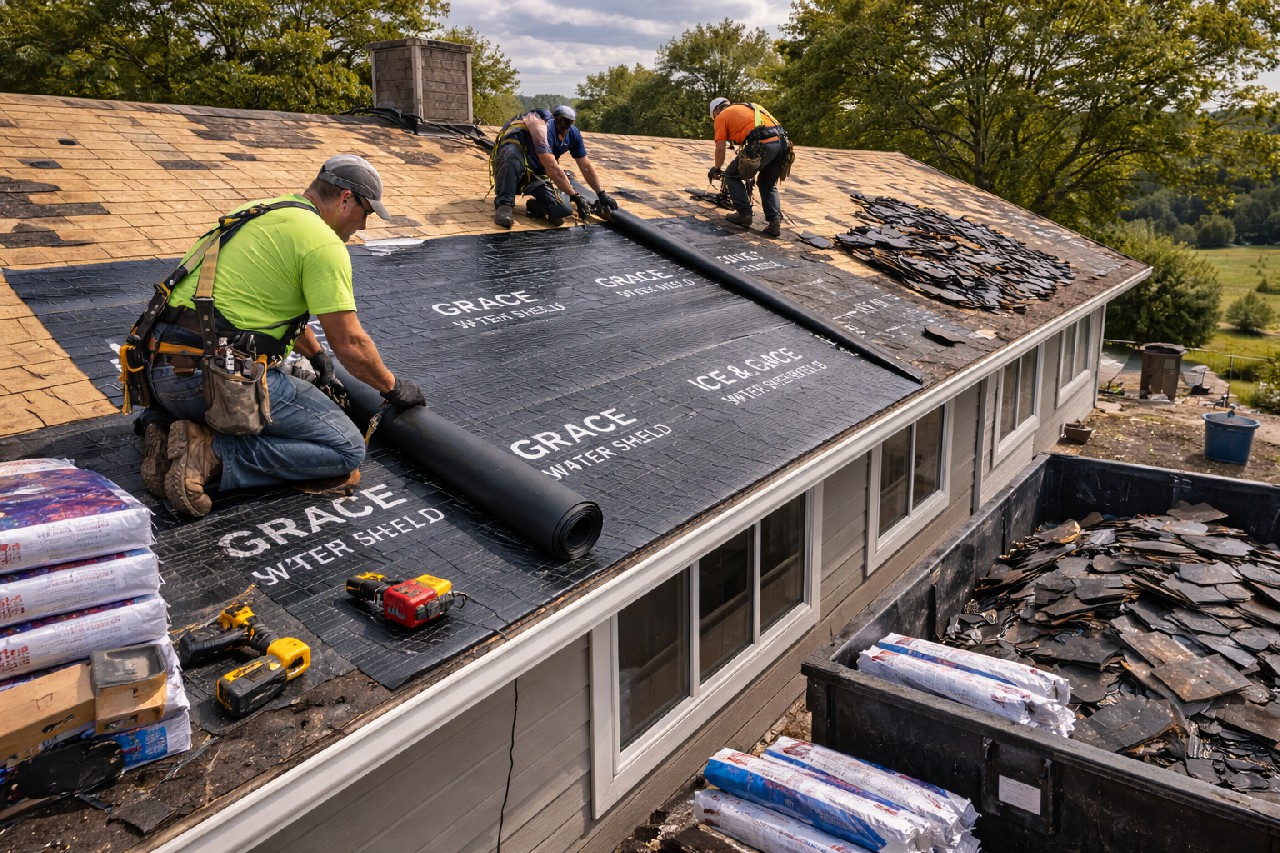
Step-by-Step Guide to Installing Soffit and Ridge Vents in Arizona Homes
Ready to tackle soffit and ridge vents yourself? These pair perfectly in Mesa's tile roofs, pulling hot air out while fresh air rushes in from below. Grab safety gear, tools, and vent materials rated for brutal desert sun.
Prep Your Roof Right
- Inspect eaves and ridge for blockages. Clear debris and old insulation.
- Measure soffit areas. Cut vent sizes to fit exactly, usually 8-12 inches wide strips.
- Mark ridge line. Plan a 1-2 inch gap under ridge cap for exhaust.
Seal roof edges with quality caulk first. This stops bugs and dust from sneaking into your attic.
Install Soffit Vents
- Remove soffit panels carefully. Slide in vinyl or aluminum vents, secure with screws.
- Ensure at least 50% net free area open. Staple insect screen over openings.
- Replace panels. Test airflow by feeling the pull from your ridge end.
Finish with Ridge Vent
- Cut ridge cap shingles back. Install continuous ridge vent foam or roll, overlapping seams.
- Nail it down tight. Cap with matching ridge shingles, seal all edges.
- Balance intake to exhaust ratio: aim for 1:1 in Arizona heat.
Fire it up and monitor attic temps for a week. If it dips 20 degrees, you nailed it. Otherwise, call pros before monsoon season hits.
Case Study: Cooling a Sweltering Mesa Residence with Custom Ventilation Overhaul
Meet John, a Mesa homeowner fed up with his attic hitting 150 degrees Fahrenheit every summer. His AC unit ran nonstop, racking up $450 monthly bills. We stepped in to transform his 2,000-square-foot ranch-style home.
Before: The Heat Trap
- Attic temps spiked to 150°F, forcing AC into overdrive.
- Shingles aged prematurely from trapped moisture.
- Family dreaded the upstairs bedrooms—too hot to sleep.
Our team audited his setup. He had zero ridge vents and clogged soffits. We designed a full overhaul: ridge vents, baffled soffits, and two powered attic fans tailored for Mesa's brutal sun.
After: Instant Relief
Post-install, attic temps plunged 35 degrees on peak days. John's AC bills dropped 28% the first month. His roof now breathes easy, extending its life by years.
Bonus: No more sweaty nights. John called it "like living in a new house." This Mesa fix proves custom ventilation pays off big.
Final Thoughts
Don't let Mesa's brutal sun turn your attic into a money pit. Proper ventilation drops those temps fast, saves on AC, and protects your roof for years.
Grab one of these hacks today. Start small with intake vents or go big with a ridge vent upgrade. Your wallet will thank you next billing cycle.
- Spot hot spots? Test your attic now.
- DIY limits? Call pros for the heavy lifting.
- Ready for real results? Dive into our Roof Ventilation Installation options tailored for Arizona homes.
Act before summer peaks. Cooler air starts with better airflow.
People Also Ask
How does roof ventilation cool homes in Mesa's hot climate?
Roof ventilation removes hot air trapped in the attic, allowing cooler outside air to circulate and reducing indoor temperatures during Mesa's intense summers. This process lowers reliance on air conditioning, cutting energy bills by up to 20-30%. Proper venting prevents heat buildup that can make homes feel sweltering even with AC running.
What are the signs of poor roof ventilation in Arizona homes?
Look for higher-than-normal energy bills, attic temperatures exceeding 130°F, or shingles deteriorating prematurely from heat stress. Other indicators include mold growth, peeling interior paint, or ice dams in cooler months despite Arizona's heat. Addressing these early prevents costly roof damage.
Can DIY roof ventilation hacks effectively cool my Mesa home?
Simple hacks like adding gable vents or attic fans can improve airflow short-term, but they often lack the balanced intake-exhaust system needed for optimal cooling in Mesa's desert climate. Professional assessment ensures compliance with local codes and maximizes energy savings. DIY risks improper installation leading to moisture issues or reduced effectiveness.
What is the best roof vent type for Mesa, AZ homes?
Soffit and ridge vents provide the most effective passive ventilation for Mesa's scorching heat, creating continuous airflow without powered fans. Ridge vents exhaust hot air at the peak, while soffit vents draw in cooler air from the eaves. This combo is ideal for Arizona's low-humidity environment and boosts home comfort year-round.
How much does roof ventilation installation cost in Mesa?
Costs range from $1,000 to $3,500 for most Mesa homes, depending on roof size, vent type, and existing setup. Soffit and ridge vent installs average $2,000, offering quick ROI through lower cooling costs in Arizona summers. Get a free local quote for precise pricing tailored to your roof.

Mesa Roofing delivers expert roofing services throughout the Mesa, AZ community. With extensive experience in installations, repairs, and maintenance, the team addresses local climate challenges effectively. Committed to Mesa homeowners and businesses, they emphasize reliable craftsmanship and attention to detail.
Need Roofing?
Fast roof repairs and replacements in Mesa, AZ and nearby areas (85201, 85202, 85205, 85210), delivering weather-tight protection that lasts.
Get Roof Quote