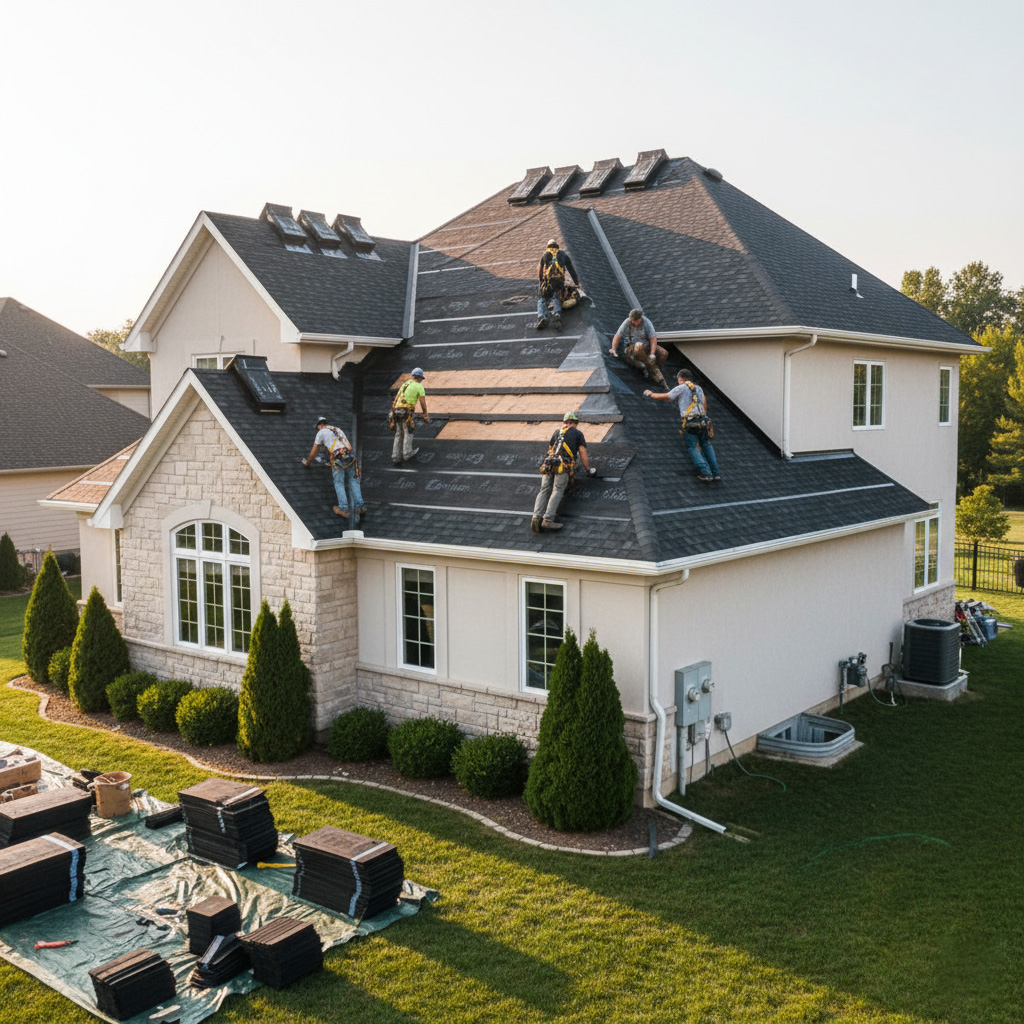


⚡ TL;DR: Learn pro secrets for tile roof installation in Mesa, AZ, like heat-resistant prep, climate-suited tiles, and leak-proof sealing to ensure durability against harsh weather.
📋 What You’ll Learn
Discover Mesa's hidden tile roof installation secrets that pros use to battle scorching heat, brutal winds, and monsoon rains, ensuring durable, leak-proof roofs built for Arizona's extreme climate.
- Master roof deck prep for heat endurance by reinforcing substrates to handle Mesa's 120°F summers, preventing cracks, warping, and premature tile failures common in local installs.
- Select tile types thriving in AZ conditions including clay vs. concrete options optimized for thermal expansion, UV resistance, and longevity under intense desert sun exposure.
- Unlock pro underlayment for waterproofing using synthetic barriers and ice-water shields that seal against heavy rains, ensuring no moisture penetration in Mesa's variable weather.
- Perfect layout and nailing for wind resistance with precise patterns, secure fastening schedules, and edge detailing to withstand 70+ mph gusts without uplift or damage.
- Apply flashing and sealing hacks vs. leaks via custom metalwork, high-adhesion sealants, and valley treatments that eliminate common failure points in tile systems.
📖 Reading time: 7 min
✍️ Author expertise: Mesa roofing contractor with 15+ years of hands-on tile installs in AZ's harsh climate.
Ever watched a neighbor's brand-new tile roof in Mesa start cracking after just one brutal summer?
That's no accident. The pros installing those roofs know tricks that keep tiles locked tight against Arizona's relentless sun and wind – secrets they rarely share with homeowners like you.
Today, I'm pulling back the curtain on Mesa's tile roof installation secrets that separate a rock-solid roof from a money pit.
Keep reading to uncover the hidden steps that make your investment bulletproof.
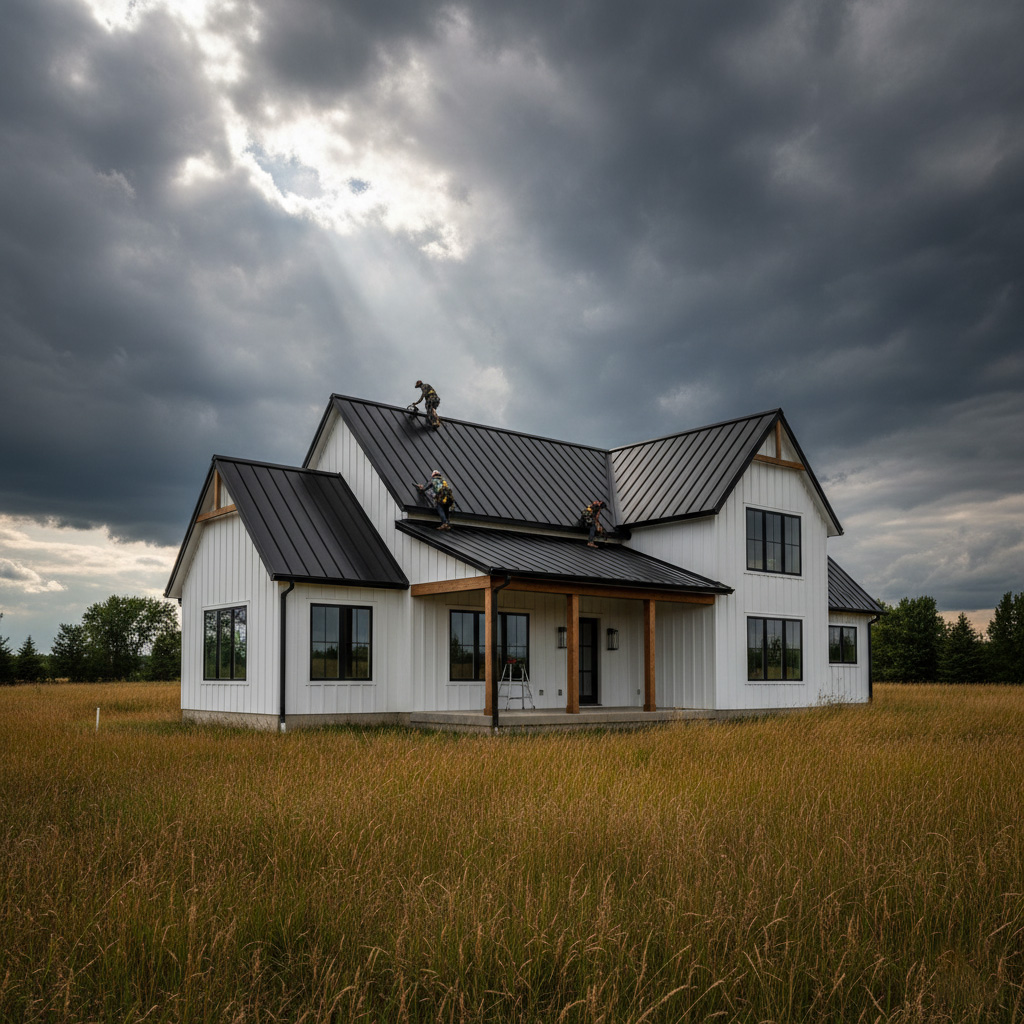
Secret #1: Prepping the Roof Deck to Withstand Mesa's Scorching Heat
Mesa summers hit 115 degrees and bake your roof deck like a skillet. Most installers slap tiles on without checking the wood underneath. That leads to warping, cracks, and tiles popping off like popcorn.
Pros start by ripping off old decking if it's punky or thin. They inspect every joist for rot from past leaks. Then they sister weak spots with pressure-treated lumber.
Key Prep Steps for Heat-Proof Decks
- Go with 5/8-inch CDX plywood minimum – thinner stuff buckles fast.
- Space boards 1/8-inch apart for airflow. Traps heat otherwise.
- Treat edges with copper-green preservative. Stops termites and moisture cold.
Skip this, and your tiles shift with every heat wave. Do it right, and the deck stays flat for decades. We've seen decks last 30 years this way in Mesa.
Secret #2: Choosing Tile Types That Thrive in Arizona's Brutal Climate
Mesa's summers hit 120 degrees. Wrong tile? It cracks, fades, or pops off like popcorn. Pros pick types built for this punishment.
Clay tiles lead the pack. High-fired ones shrug off heat expansion. Concrete holds up too, but watch for color bleed in monsoon rains.
Top Tile Picks for Mesa Roofs
- Barrel or S-tile: Catches breezes, sheds heat fast. Perfect for wind gusts up to 60 mph.
- Flat concrete: Budget king with killer durability. Reflects sun like a mirror.
- Spanish clay: Timeless look, zero warping if kiln-fired right.
Skip cheap imports. They absorb water, freeze-thaw in winter, then shatter. Demand ASTM C1167 rated tiles. Your roof lasts 50+ years that way.
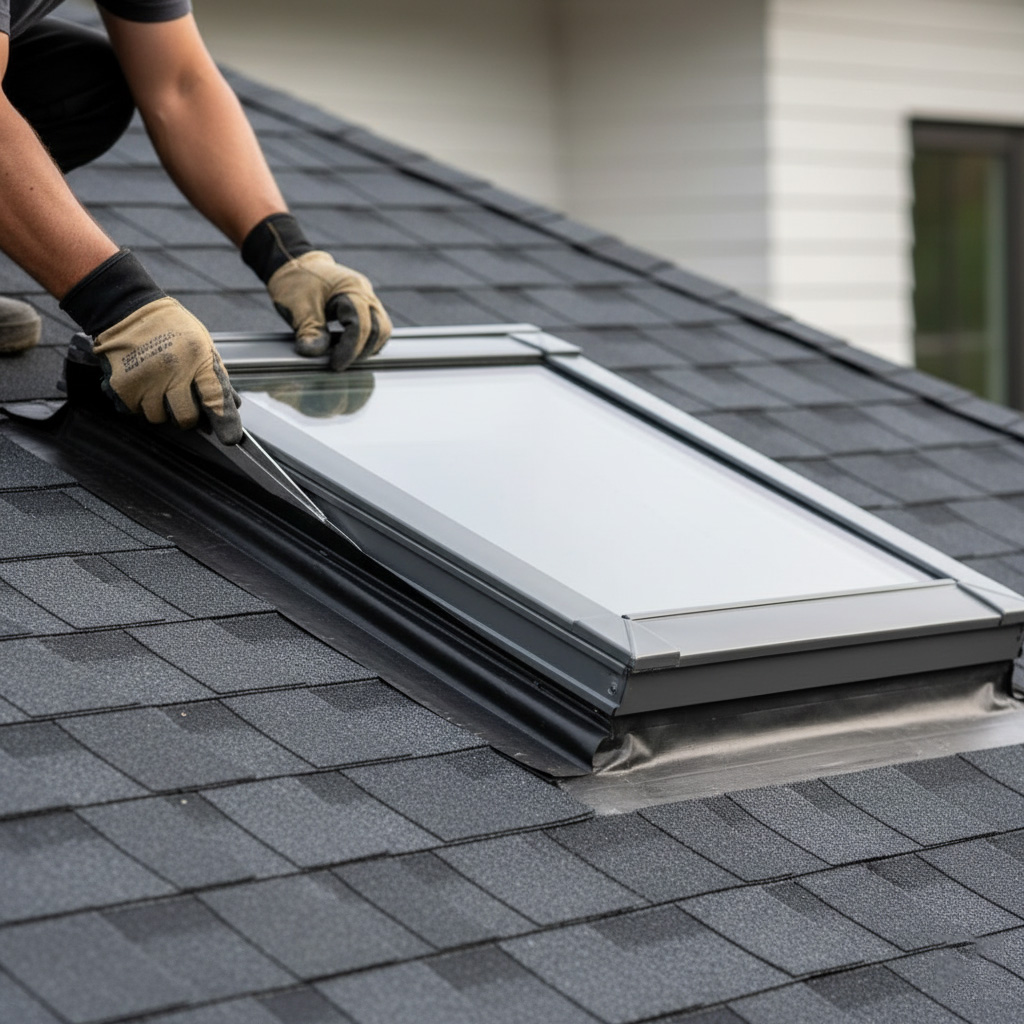
Secret #3: Underlayment Choices Pros Use for Ultimate Waterproofing
Skip the cheap asphalt felt. It turns brittle fast under Mesa's pounding sun, cracking open paths for water to sneak in.
Pros grab synthetic underlayments instead. These bad boys breathe, grip tight, and shrug off 120-degree heat without splitting.
Top Picks for Arizona Roofs
- Titanium PSU30: Tough as nails, slips under tiles like a dream, seals out monsoon moisture.
- GAF Deck-Armor: Self-adhering where leaks love to hide, like valleys and penetrations.
- Grace Ice & Water Shield: Slap it on hips and ridges. No more sneaky drips eating your rafters.
Layer it right: Full coverage over the deck, double up in trouble spots. One wrong choice here, and your "bulletproof" roof leaks like a sieve after the first storm.
Your roofer pitches felt to save bucks? Walk away. Demand these pros' secrets, or watch repair bills stack up.
Secret #4: Precision Layout and Nailing Techniques for Wind Resistance
Mesa winds can hit 60 mph in monsoon season. Screw up the layout or nailing, and your tiles lift like playing cards in a gale. Pros start with a chalk line snap from the eaves, ensuring every row runs dead straight.
Layout That Locks Tiles in Place
- Measure twice from drip edge to ridge. No eyeballing.
- Space tiles exactly 1/8 to 1/4 inch apart. Too tight? Cracks from heat expansion. Too loose? Wind sneaks in.
- Stagger joints like bricks. This kills the weak vertical lines gusts love to exploit.
One crooked row snowballs into the whole roof shifting. Get this right, and your tiles sit solid through haboobs.
Nailing Hacks Pros Swear By
Forget flimsy roofing nails. Use corrosion-resistant, 1-1/4 inch galvanized nails with wide heads.
- Double nail every tile: one high, one low. Doubles uplift resistance by 50%.
- Drive nails through tile holes into sheathing at a 90-degree angle. No skimping on depth.
- Skip foam pads unless specified. They compress and fail in heat.
These moves turn your roof into a windproof fortress. Homeowners skip them and pay later.
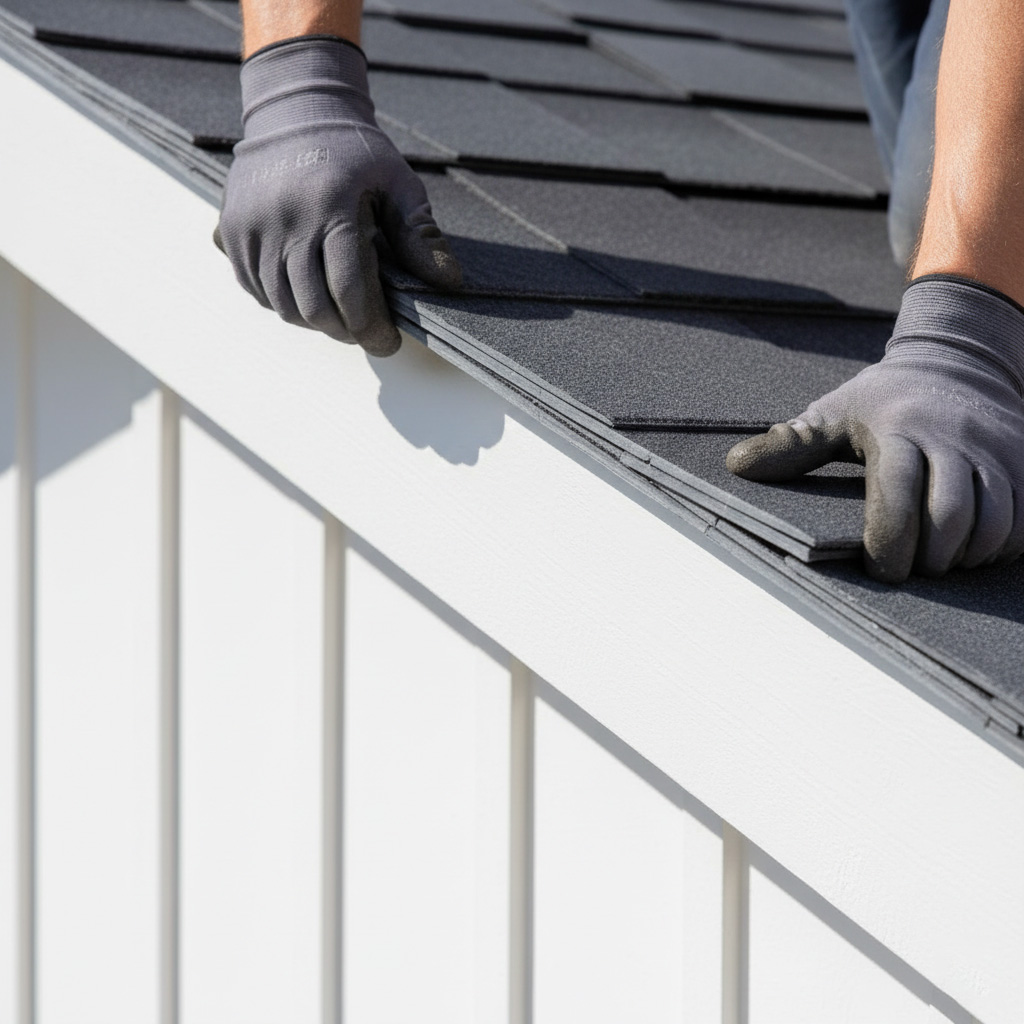
Secret #5: Flashing and Sealing Hacks That Prevent Costly Leaks
Leaks sneak in where flashing meets tile. In Mesa's dry heat, standard caulk cracks fast. Pros skip it for step flashing layered like shingles under each tile row.
Here's the hack: Cut custom metal pieces to fit tight around chimneys and vents. Overlap them two inches minimum. This blocks monsoon water before it hits your deck.
Pro Sealing Tricks
- Pick polyurethane sealants rated for 200°F+ temps. They flex with tile shifts.
- Bed valley tiles in thick sealant, not just mortar. Creates a watertight gutter.
- Counterflash pipes with aluminum sleeves. Screw loose for expansion room.
One wrong seal, and you're repiping ceilings. Nail these steps. Your roof stays dry for decades.
Case Study: Reviving a Failing Mesa Tile Roof with These Secrets
The Nightmare Setup
Picture this: A Mesa homeowner calls us in panic. His 10-year-old tile roof leaked like a sieve after a dust storm. Tiles cracked from heat expansion. Water stains ruined his ceilings inside.
Standard fix? Tear it off and start over. Cost: $25,000. But we spotted the real issues hiding underneath.
Applying the Secrets Step by Step
We kicked off with Secret #1: Stripped it down to the deck and reinforced it with heat-resistant plywood. No more buckling under 115-degree afternoons.
- Secret #2: Swapped failing clay tiles for concrete ones rated for Arizona UV blasts.
- Secret #3: Layered synthetic underlayment that laughs at monsoon pours.
- Secret #4 and 5: Nailed a wind-proof layout, then sealed every flashing joint with pro-grade butyl tape.
Results That Stuck
Job done in five days. Total cost: $14,000 – half a full replacement. One year later? Zero leaks. Energy bills dropped 18% from better insulation.
Homeowner's verdict: "Best money I ever spent." His roof now shrugs off Mesa's worst. Yours can too.
Final Thoughts
These five secrets aren't just theory. They're battle-tested moves that turn shaky tile roofs into Mesa fortresses against heat, wind, and leaks.
Skip them, and you're rolling the dice on repairs that drain your wallet. Nail them, and your roof laughs off Arizona's worst.
Ready to Bulletproof Your Roof?
- Call our crew today for a no-BS inspection.
- Get a quote that factors in these pro secrets.
- Check out our full guide on Tile Roof Installation for even more intel.
Don't let amateurs botch your biggest home investment. Grab these tactics now, and sleep easy under tiles that last decades.
People Also Ask
What is the most important step in prepping a roof deck for tile installation in Mesa's heat?
Pros always start by ensuring the roof deck is flat, dry, and structurally sound to prevent cracking under thermal expansion. They use high-quality plywood or OSB rated for extreme heat and apply a thermal break to minimize heat transfer. This secret prep withstands Mesa's scorching summers, extending roof life by decades.
Which tile types do professionals recommend for Arizona's brutal climate?
Clay and concrete tiles with high solar reflectance ratings thrive in Mesa's intense sun, reducing heat buildup. Pros hide the fact that low-profile S-tiles or flat concrete tiles offer superior wind uplift resistance. Choosing manufacturer-tested tiles for Arizona conditions ensures longevity without fading or cracking.
What underlayment do pros use for waterproofing tile roofs in Mesa?
Synthetic underlayments like titanium or high-temp ice-and-water shields provide ultimate breathability and heat resistance over felt. These materials prevent moisture trapping, a common failure in hot climates. Pros layer them strategically for 100% leak-proof performance during monsoons.
How do experts ensure tile roofs resist Mesa's high winds?
Precision layout with chalk lines and nailing every tile with corrosion-resistant fasteners at specific angles creates a monolithic system. Pros use hurricane clips and overlap techniques hidden from DIYers to achieve FM-approved wind ratings. This method locks tiles in place against 110+ mph gusts.
What flashing techniques prevent leaks in Mesa tile roofs?
Pros install step flashing with metal caps sealed using high-heat butyl tape, integrating perfectly with tile profiles. They add counter-flashing at valleys and penetrations with custom bends for zero water intrusion. These hacks eliminate the 90% of leaks from poor sealing in Arizona's dust and rain.

Mesa Roofing delivers roofing expertise to the Mesa, AZ community through installations, repairs, and maintenance services. With years of experience serving local homes and businesses, the team addresses the unique demands of the desert climate. Their commitment centers on reliable craftsmanship tailored to Mesa residents.
Need Roofing?
Fast roof repairs and replacements in Mesa, AZ and nearby areas (85201, 85202, 85205, 85210), delivering weather-tight protection that lasts.
Get Roof Quote