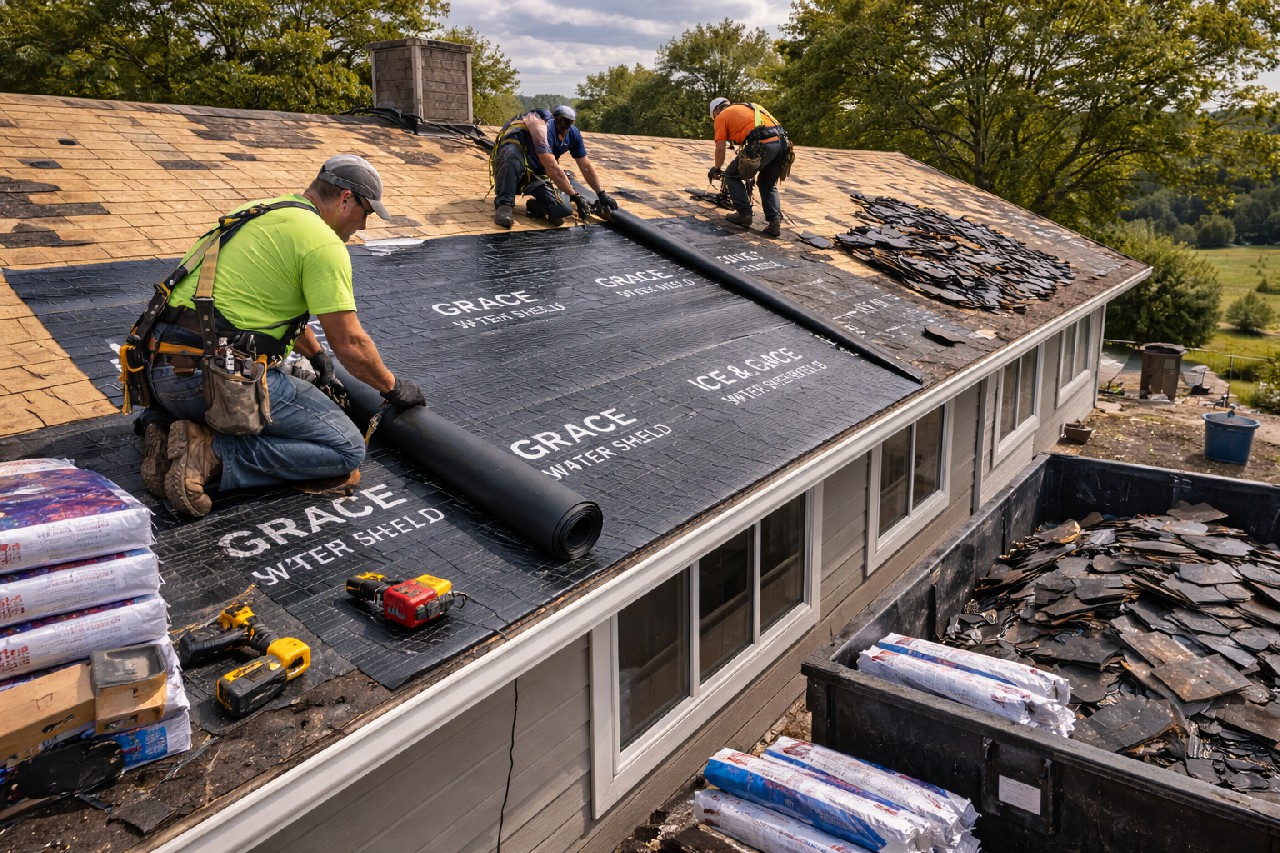


⚡ TL;DR: This guide teaches Roof Inspection for Mesa, AZ homes, covering local threats like sun and monsoons, seasonal checklists, tools, red flags, and attic checks to protect your roof.
📋 What You’ll Learn
In this ultimate roof inspection guide for Mesa, AZ, you’ll learn to spot sun, monsoon, and dust storm damage, master seasonal checks, use essential tools, and prevent costly leaks from ruining your home.
- Identify Mesa's roof killers like intense UV sun, violent monsoons, and abrasive dust storms that degrade shingles, flashings, and seals over time.
- Master seasonal inspection timing with a homeowner checklist tailored to Arizona's extreme weather patterns for catching issues early and avoiding surprises.
- Gather tools and safety gear every Mesa homeowner needs, from ladders and binoculars to harnesses, ensuring safe and thorough ground-level assessments.
- Spot 10 ground-level red flags including granule loss, curling edges, and soft spots visible from your ladder before they lead to major failures.
- Explore attic damage secrets like moisture stains, mold growth, and structural weaknesses hidden from view that signal urgent roof repairs.
📖 Reading time: 7 min
✍️ Author expertise: Mesa roofer with 20+ years of field inspections battling AZ sun and monsoons.
You're sipping coffee on your Mesa patio when thunder cracks overhead, and the monsoon hits like a freight train.
Suddenly, water's dripping through your ceiling, and you're staring at a repair bill that hits five figures because you skipped that simple roof check.
In Mesa's brutal sun and wild storms, ignoring your roof is like playing Russian roulette with your home's biggest asset.
Grab the checklist we reveal next, and you'll spot trouble before it costs you a fortune.
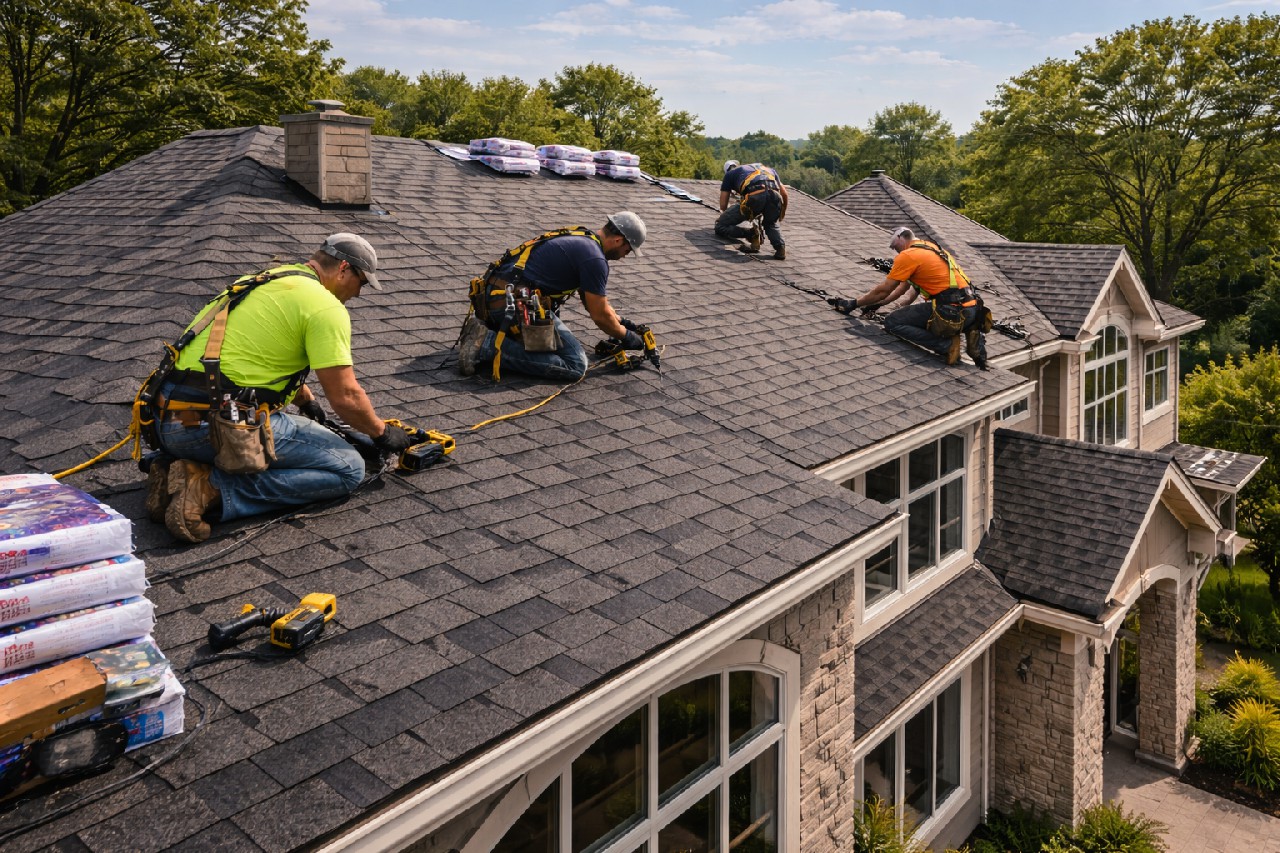
Mesa's Roof Killers: Sun, Monsoons, and Dust Storms Explained
Mesa's weather hits roofs hard. You face scorching sun that cooks materials daily. Then monsoons slam in with fury, and dust storms scour everything clean.
Blazing Sun: The Silent Granule Thief
Year-round UV rays fade and brittle your shingles. Heat expansion cracks seals over time. Lose those protective granules, and you're wide open to leaks.
- Check for bald spots where granules vanished.
- Shingles curling at edges? Sun's fault.
- Expect 20-30% shorter roof life without cool-roof coatings.
Monsoons: Wind, Hail, and Sudden Floods
July through September, storms rip tiles loose and pelt with golf-ball hail. Wind drives water under edges you never see. One bad night, and your attic's a swimming pool.
- Missing chunks or bruises signal hail damage.
- Loose flashing around chimneys invites leaks.
- Pro tip: Inspect right after storms hit.
- Climb up after the last freeze. Look for cracked tiles from cold snaps.
- Clear debris from valleys. Birds nest here over winter.
- Test flashing around chimneys. Expansion cracks show early.
- Scan for missing granules on asphalt shingles. Storms strip them bare.
- Probe soft spots near edges. Hidden rot starts here.
- Check gutters for monsoon mud clogs. Overflow eats at your fascia boards.
- Binoculars: Scan the whole roof from the ground. Perfect for Mesa's sprawling single-stories.
- Flashlight or headlamp: Peek into shadows where leaks hide.
- Moisture meter: Cheap one from the hardware store detects wet spots behind shingles.
- Crowbar and gloves: Gently lift edges to check underlayment. No prying like a demolition crew.
- Digital camera: Snap pics for before-and-after or to show your roofer.
- Sturdy extension ladder rated for your weight. Secure it every time.
- Non-slip work boots with good tread for dusty slopes.
- Hard hat and safety glasses: Flying debris from wind gusts is no joke.
- Harness and rope: Tie off if your roof pitches steep.
- First-aid kit: Bandages for scrapes, just in case.
- Missing shingles: Wind from dust storms rips them off. Count five or more? Big leak risk.
- Curling edges: Sun bakes them brittle. Corners lifting up mean water sneaks under.
- Granule loss: Bare spots like bald patches. UV rays stripped the protection—shingles die fast.
- Cracks or splits: Hail pings or thermal expansion. Tiny fissures grow into gushers.
- Loose flashing: Around vents, chimneys. Rusty or pulled back? Monsoon water's open door.
- Buckled areas: Heat swells them uneven. Waves signal poor ventilation upstairs.
- Gaps in valleys: Where roofs meet. Debris clogs, water pools—erosion city.
- Sagging gutters: Pulling away from fascia. Overloaded from storms, they stress the whole edge.
- Stained underhang: Dark streaks from leaks above. Mold loves that Mesa humidity spike.
- Debris buildup: Leaves, dirt in gutters. Blocks flow, rots wood fast.
- Soft or crumbling insulation: Monsoon moisture turns it to mush, breeding mold that wrecks your air quality.
- Black streaks on plywood sheathing: Early rot sign. Poke it gently; if it gives, call pros now.
- Rust on metal nails or screws: Heat and humidity loosen them, leading to shingle blow-offs in storms.
- Daylight through vents or gaps: Pests or wind drove debris in, weakening your whole structure.
- Pooling water marks near vents: Blocked airflow means trapped heat and faster shingle wear.
- Cracked flashing around the chimney, letting water seep in during heavy rains.
- Granule loss on shingles from years of brutal UV pounding.
- Soft spots in the attic decking, hidden under insulation but ready to collapse.
- Grab your ladder this weekend. Run the ground check first.
- Peek in the attic next. Note every soft spot.
- Book a full Roof Inspection today. No guesswork. Just facts.
Dust Storms: The Abrasive Grinder
Habub winds blast sand like sandpaper. They strip sealants and pit surfaces fast. Combine with sun, and wear doubles.
Spot fine scratches or eroded ridges from the ground. Your roof loses years in one season.
Best Times to Inspect: Seasonal Checklist for Arizona Homes
Timing your roof check right beats reacting to disasters. In Mesa, hit it twice a year minimum. Catch problems before they explode.
Spring sets the stage. Winter winds and rare freezes loosen shingles. Monsoon season looms large.
Spring Inspection Must-Dos
Summer monsoons wreck havoc fast. Inspect right after the big rains hit in August. Water hides damage until it spreads.
Post-Monsoon Checklist
Fall dust storms grind away at seals. Hit the roof before holiday rains. One quick look saves Thanksgiving floods.
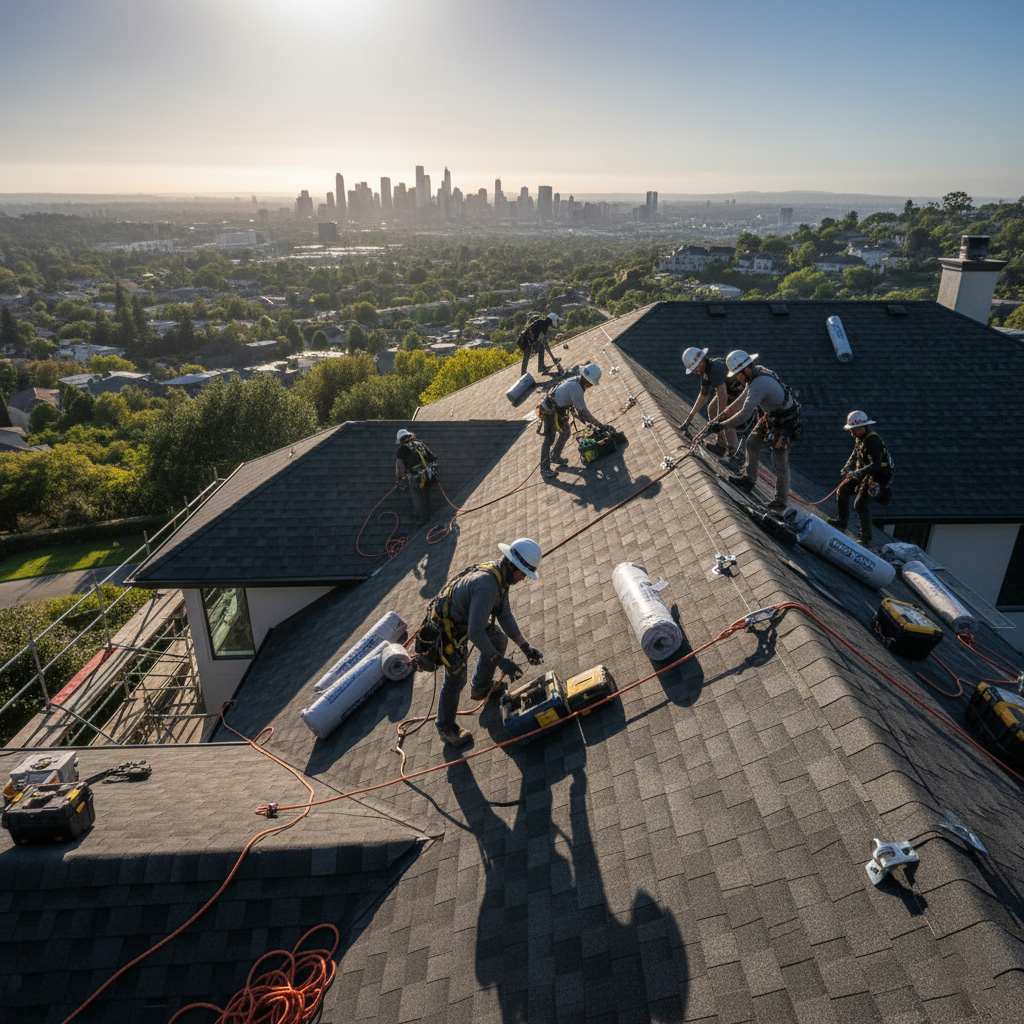
Tools and Safety Gear Every Mesa Homeowner Needs
Don't climb up there empty-handed. Start with the basics that spot damage fast without fancy gadgets.
Essential Inspection Tools
Safety first, or you're the one needing repairs. Gear up right to avoid a trip to the ER.
Must-Have Safety Kit
Grab these at Home Depot on Dobson. Total cost? Under $200. Worth every penny to dodge a monsoon disaster.
Ground-Level Inspection: 10 Red Flags to Spot from Your Ladder
Climb that ladder steady. Position it on flat ground, away from power lines. From here, you get eyes on the lower roof edges where trouble loves to hide first.
Scan slow. Look for these 10 dead giveaways that scream "fix me now" in Mesa's harsh conditions.
Spot two or more? Don't wait. Snap photos, call pros. That ladder view just saved your wallet.
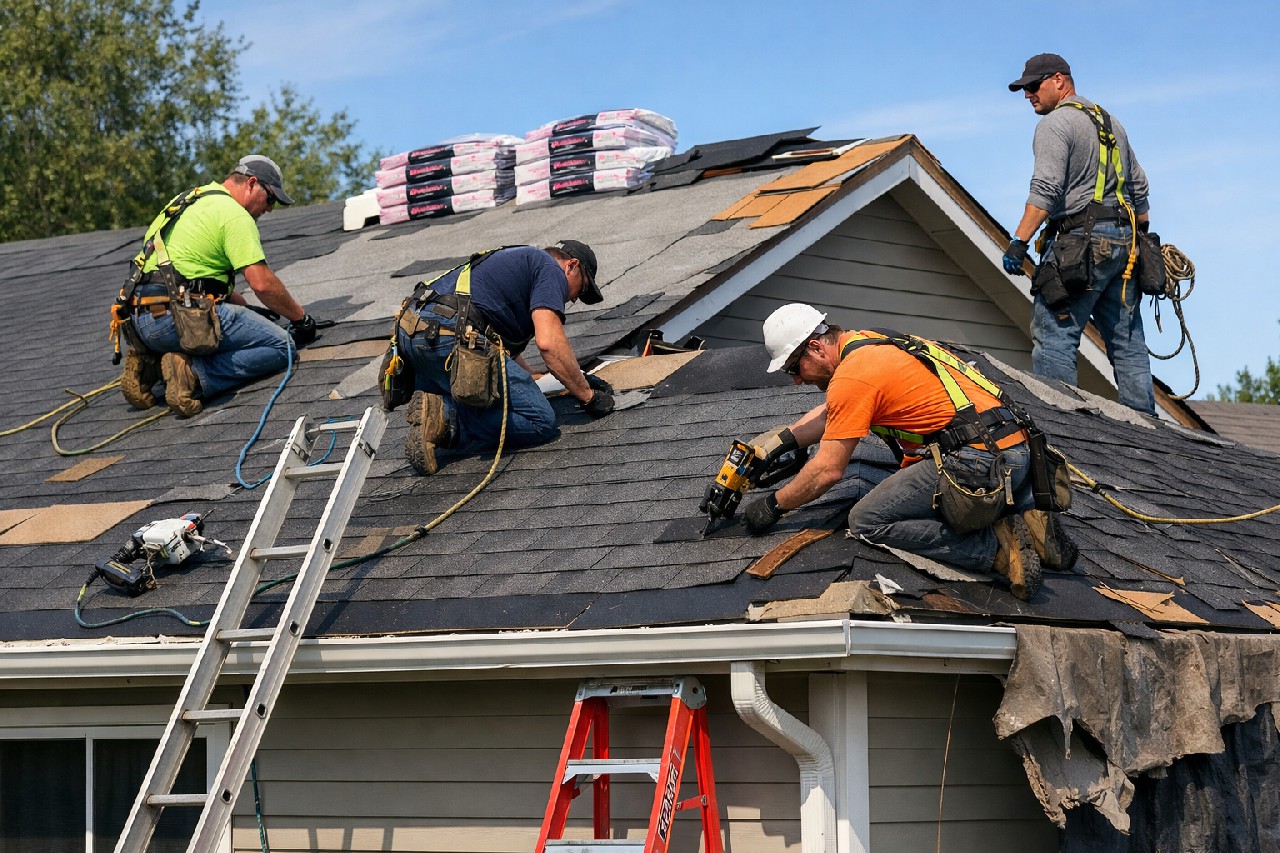
Attic Deep Dive: Hidden Damage You Can't See from Outside
Climb up there with a bright flashlight. Your roof's backbone hides rot, mold, and weak spots that outside checks miss completely.
Shine that light on rafters and trusses first. Look for dark stains or sagging wood. Those scream water damage from past leaks.
Attic Red Flags That Spell Trouble
Sniff around too. Musty odors mean hidden mold. Skip this step, and small issues balloon into thousands in repairs.
Grab photos of anything suspicious. They'll prove invaluable when you chat with your Mesa roofer.
Case Study: How We Caught a Monsoon Leak Before It Flooded a Mesa Family's Home
Meet the Ramirez family in West Mesa. They called us last spring after spotting a few dark streaks on their chimney during a routine backyard BBQ. No leaks inside yet, but monsoon season loomed large.
We climbed up for a full ground-to-attic check. Here's what we found:
One week later, the first big storm rolled through. Their neighbors dealt with soaked ceilings and mold nightmares. The Ramirezes? Bone dry. A quick flashing repair and shingle patch saved them $12,000 in water damage.
Final Words: Protect Your Roof and Peace of Mind Today
Spotting those red flags early saves you from the nightmare of a collapsed ceiling or a mold invasion.
We've handed you the playbook. Now use it.
Your Mesa roof battles relentless sun and pounding monsoons. Skip the DIY if it feels off. Call pros who live this daily.
Three Steps to Lock It Down
One inspection now beats thousands in repairs later. Your home deserves that edge. Act fast.
People Also Ask
How often should I get my roof inspected in Mesa, AZ?
In Mesa's harsh climate, inspect your roof twice a year—once before monsoon season in spring and once after in fall. Annual professional inspections are ideal for catching hidden damage from intense UV rays and storms early. Regular checks prevent costly repairs and extend your roof's lifespan significantly.
What are the common signs of roof damage from monsoons in Arizona?
Look for missing or curled shingles, water stains on ceilings, and granule loss in gutters after heavy rains. Monsoon winds can loosen flashing around chimneys, leading to leaks. Addressing these promptly avoids interior flooding and structural issues.
Can I do a DIY roof inspection in Mesa, or do I need a professional?
DIY inspections from the ground and attic are great for spotting obvious issues like cracked tiles or debris buildup. However, for steep roofs or detailed assessments in Mesa's extreme weather, hire a professional to safely identify subtle damage. Experts use specialized tools for thorough evaluations you can't replicate at home.
What tools do homeowners need for a basic roof inspection in Arizona?
Essential items include a sturdy ladder, flashlight, binoculars, gloves, and a moisture meter for attic checks. Safety gear like a harness and non-slip shoes is crucial on hot, dusty Mesa roofs. These tools help detect sun-induced cracking or storm debris without risking injury.
When is the best time to inspect my roof after a dust storm in Mesa?
Inspect within 24-48 hours after a dust storm to clear debris and check for abrasion damage on shingles. Arizona's winds can strip protective granules, accelerating wear. Early action prevents water intrusion during the next rain.

Mesa Roofing provides expert roofing services to homeowners and businesses in Mesa, AZ. With years of hands-on experience, their team handles installations, repairs, and maintenance tailored to the local climate. Deeply rooted in the Mesa community, they prioritize durable solutions for area properties.
Need Roofing?
Fast roof repairs and replacements in Mesa, AZ and nearby areas (85201, 85202, 85205, 85210), delivering weather-tight protection that lasts.
Get Roof Quote